Three Sports. One Engine. Go Further.
Triathlon demands more than endurance.
- You need the strength to swim efficiently.
- The power to ride.
- The durability to run after hours of effort.
And the metabolic capacity to keep producing energy as the race gets longer.
Your three disciplines share one thing: the same metabolic engine.
Optimized Fat Metabolism (OFM) helps triathletes develop the ability to use more of their own stored fat for energy — supporting metabolic flexibility and helping preserve limited glycogen during prolonged endurance activity.
You Have To Have Something Left For The Run.
- You don't start the run fresh.
- You arrive there after swimming.
- Then cycling.
- Then hours of accumulated effort.
The energy you use during the first two disciplines affects what you have available for the final one.
That’s why metabolic efficiency matters.
The goal isn’t simply to survive the swim and bike.
It’s to arrive at the run with an engine that can keep working.
Ultra Field · 100-mile trail
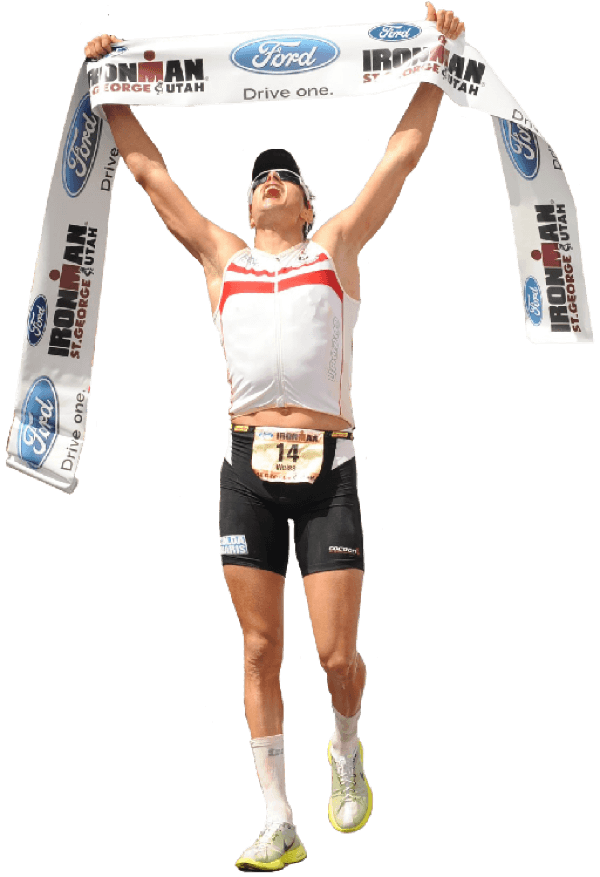
Ironman Field · Long-course triathlon
Adventure Racing Field · Multi-day expedition
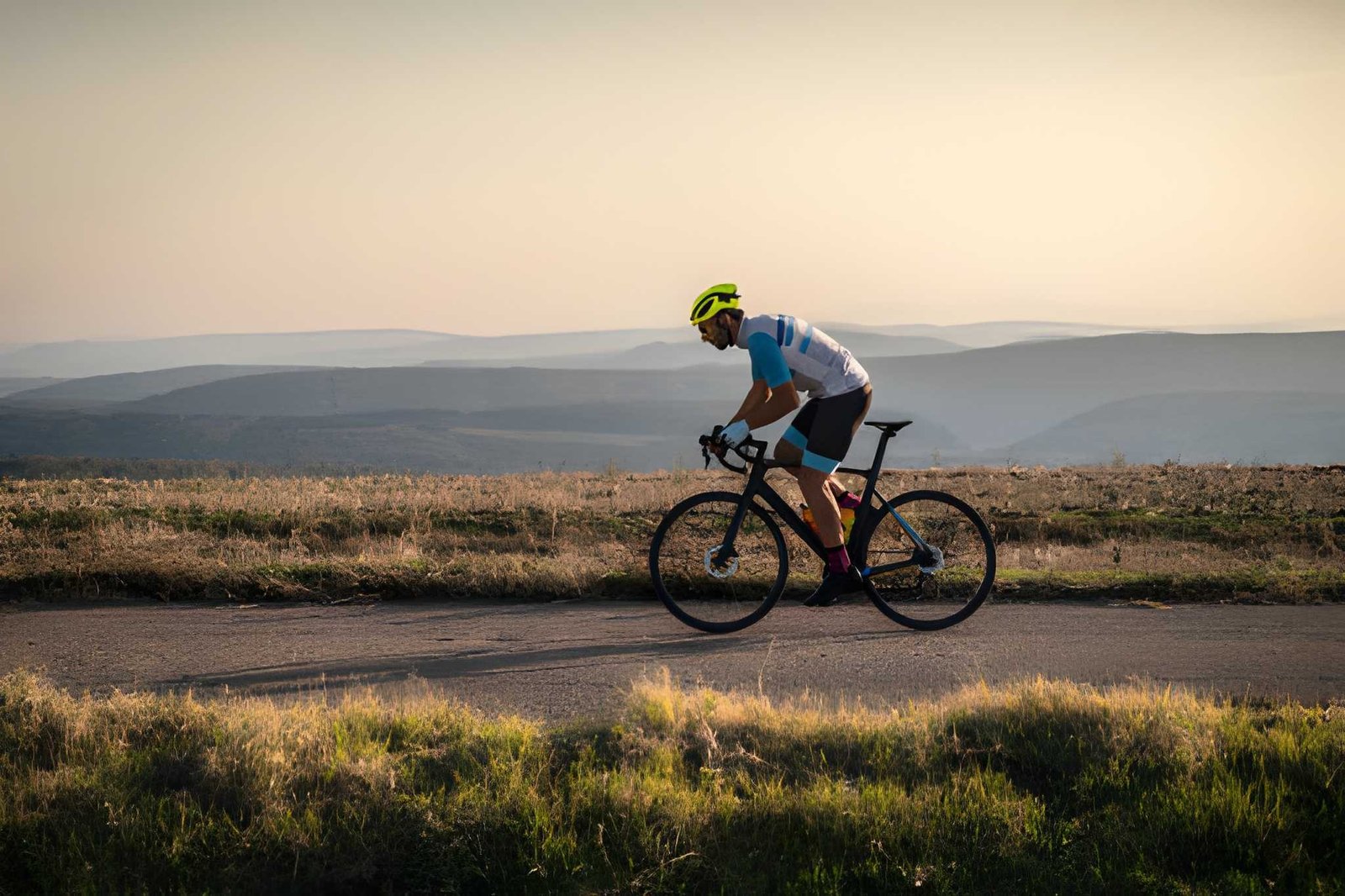
Your Race Is Only As Strong As Your Fuel System.
riathlon requires constant energy management.
During the swim, you’re already working.
On the bike, you may spend hours producing steady power.
Then you have to run.
And running demands an entirely different mechanical load on an already fatigued body.
Every discipline adds to the next.
The fuel strategy that gets you through the bike can determine how you feel when you reach T2.
And what happens in T2 can determine how much you have left for the finish.
Don't Spend Your Whole Glycogen Budget Before The Run.
The bike is where many triathletes build their race — and sometimes lose it.
You feel strong.
The course is moving quickly.
Your power is on target.
You push.
But every hard effort has a metabolic cost.
And the race isn’t over when you leave the bike.
You still have a run waiting for you.
Developing the ability to utilize fat as an energy source can help support glycogen preservation during prolonged endurance activity.
Because the goal isn’t to have your best bike split.
It's to have your best race.
VESPA
Signal Your Metabolic Engine
OFM builds the metabolic system.
VESPA provides the signal.
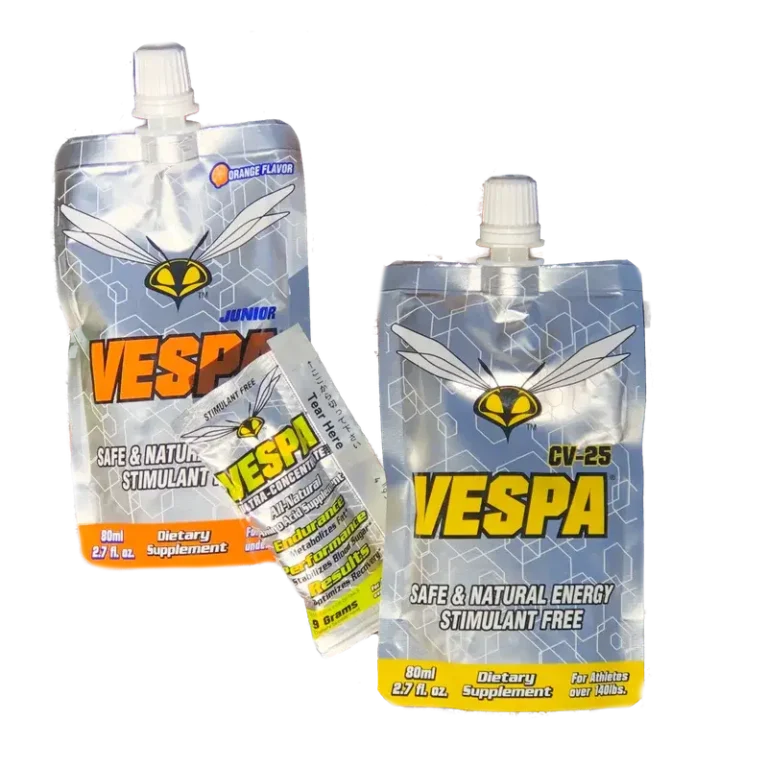
VESPA is positioned as a metabolic catalyst designed to signal the body to mobilize and burn fatty acids, supporting the use of stored energy and glycogen preservation during endurance activity.
For triathletes, the concept is simple:
OFM | Build the metabolic engine.
VESPA | Signal the engine.
- VESPA CV-25 — The original ready-to-use formulation containing 100 mg of wasp extract peptide. Just shake and consume a full pouch 30 minutes prior to physical activity. Natural ingredients. Low sugar/low calorie. No stimulants.
- VESPA Ultra Concentrate (UC) — Highly concentrated (175 mg of Wasp Extract Peptide) and requiring dilution, VESPA UC is designed for maximum portability and duration when logistics warrant.
- VESPA Junior (JR) — VESPA JR combines 8 grams of carbohydrate from Orange Juice & Honey with 70 mg of wasp extract peptide for a quick acting performance boosting formula perfect for youth team sports and other high level activities.
OFM® For Triathletes
Build The Engine Behind All Three Disciplines
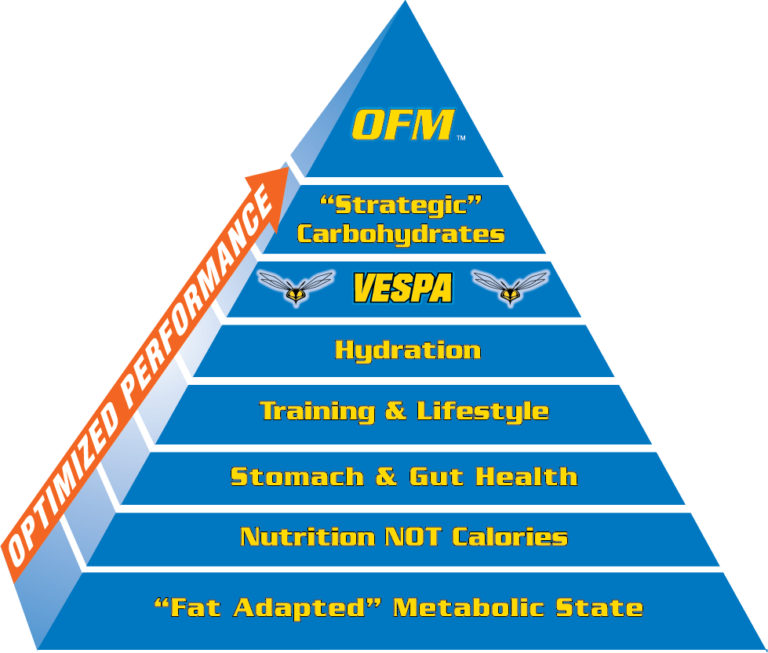
Optimized Fat Metabolism (OFM) is a periodized nutrition and training system designed to develop the body’s ability to use fat as an energy source during endurance activity.
For triathletes, that means developing metabolic capacity that can support the demands of swimming, cycling and running — rather than treating each discipline as an isolated event.
OFM isn’t simply about eliminating carbohydrates.
It isn’t a crash diet.
And it isn’t about trying to race without fuel.
It’s about training your metabolic system to become more flexible.
- OFM Program — Metabolically focused: Reset / Adapt / Integrate
- OFM Coaching & Consulting — Accelerate & Leverage your journey with our 1:1 or Group Coaching Programs or work with an Affiliate Coach (in development)
- AuVentures Wellness Platform — In development