Play Harder. Stay Powerful.Finish Strong.
Repeat-sprint sports run on a fuel system nobody coaches. Athletes who can access fat between efforts recover faster on the bench and hold speed deep into a tournament weekend.
The Game Changes. Your Energy Needs To Keep Up.
- You might jog for several minutes.
- Then sprint.
- Decelerate
- Change direction.
- Jump
- Battle for position.
- Sprint again.
Your fuel system has to change with it.

Ultra Field · 100-mile trail
Ironman Field · Long-course triathlon
Adventure Racing Field · Multi-day expedition

It's Not Just About Having Energy.
It's about being able to access it when you need it.
Your body stores energy in multiple forms.
Glycogen provides readily available carbohydrate energy.
Body fat represents a much larger energy reserve.
The metabolic-performance approach focuses on developing the ability to use these fuel sources appropriately according to the demands of activity.
That’s metabolic flexibility.
And for team-sport athletes, flexibility matters.
Because the game doesn’t stay in one energy zone.Don't Wait Until You're Tired To Think About Your Fuel System.
Nutrition strategies for athletes often focus heavily on carbohydrate availability.
And carbohydrates are an important fuel source for high-intensity activity.
But constantly depending on one fuel source can create limitations.
The goal isn’t to eliminate carbohydrates.
The goal is to develop a more flexible metabolic engine.
One capable of drawing from different fuel sources as the demands of activity change.
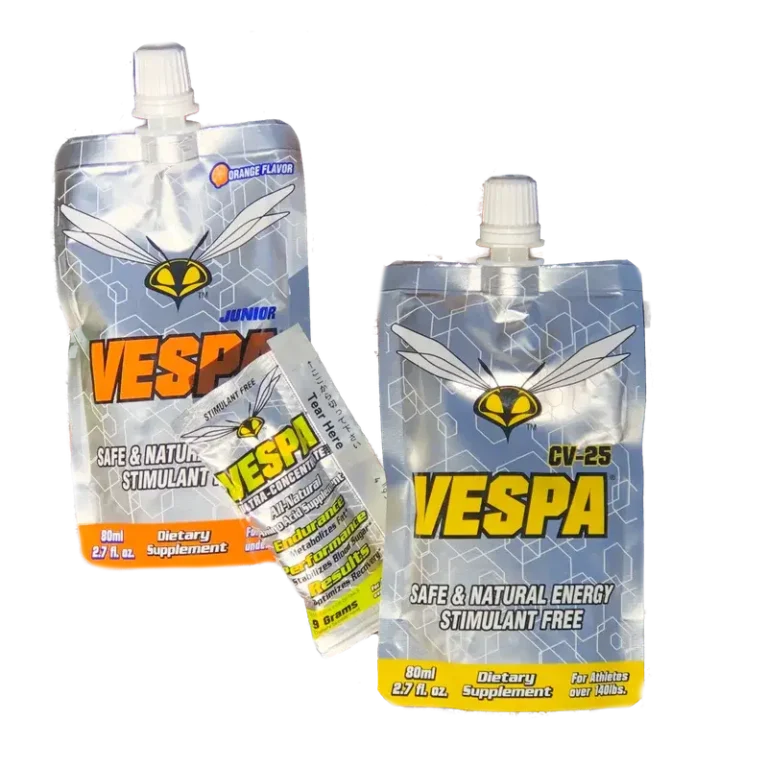
VESPA® For Team Sports
VESPA provides the signal.
VESPA is positioned as a metabolic catalyst designed to signal the body to mobilize and burn fatty acids, supporting the use of stored energy and glycogen preservation during physical activity. (metabolicadvantage.health)
- VESPA CV-25 — The original ready-to-use formulation containing 100 mg of wasp extract peptide. Just shake and consume a full pouch 30 minutes prior to physical activity. Natural ingredients. Low sugar/low calorie. No stimulants.
- VESPA Ultra Concentrate (UC) — Highly concentrated (175 mg of Wasp Extract Peptide) and requiring dilution, VESPA UC is designed for maximum portability and duration when logistics warrant.
- VESPA Junior (JR) — VESPA JR combines 8 grams of carbohydrate from Orange Juice & Honey with 70 mg of wasp extract peptide for a quick acting performance boosting formula perfect for youth team sports and other high level activities.
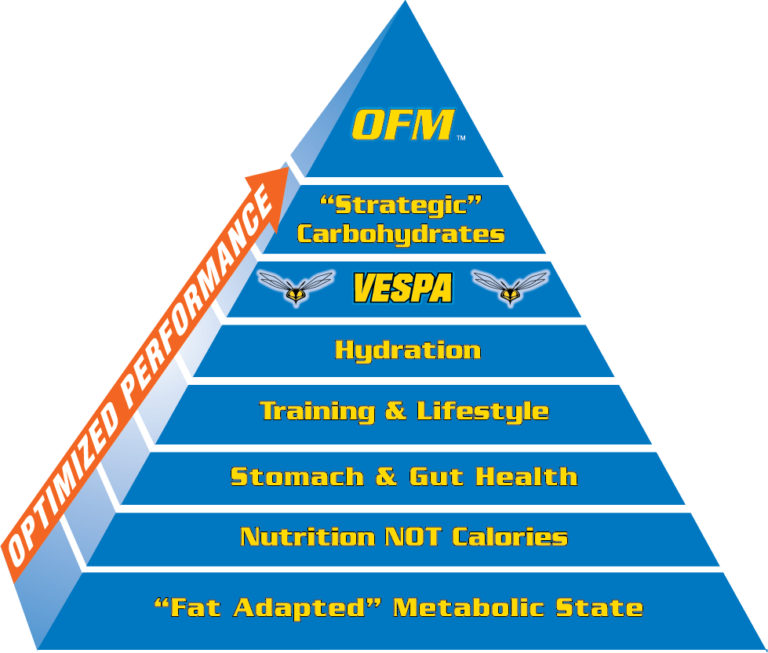
OFM® For Team Sports
Optimized Fat Metabolism (OFM) is a periodized nutrition and training system designed to develop the body’s ability to use fat as an energy source during exercise.
For team-sport athletes, the objective isn’t simply to “burn more fat.”
It’s to develop metabolic flexibility and improve the body’s ability to manage different fuel demands.
The OFM system has been applied across endurance, team-sport and tactical populations. (metabolicadvantage.health)
- OFM Program — Metabolically focused: Reset / Adapt / Integrate
- OFM Coaching & Consulting — Accelerate & Leverage your journey with our 1:1 or Group Coaching Programs or work with an Affiliate Coach (in development)
- AuVentures Wellness Platform — In development
Fair questions, straight answers.
Repeat sprints are anaerobic — they need glycogen.
Our team nutrition is set by the program.
Which product for a 90-minute match?
Do I have to go low-carb to use this?
How fast will I notice something?
Is VESPA a stimulant?
Your Next Performance Advantage May Not Be Another Drill.
It may be understanding the engine behind every sprint, cut, jump and play.