Perform When Conditions Aren't in Your Control.
The call comes in.
The operation changes.
The shift runs long.
The fire keeps burning.
The situation escalates.
You don’t always get to choose when you eat, when you sleep, or when you recover.
Your fuel system needs to be ready anyway.
Metabolic flexibility is more than an athletic advantage.
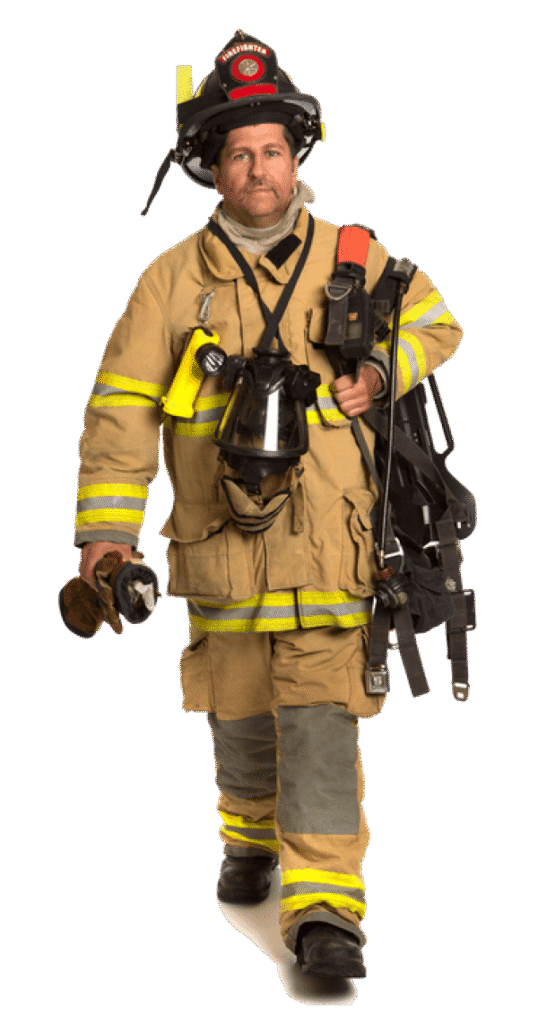
Your Shift Doesn't Run On A Schedule.
- A planned eight-hour shift becomes twelve.
- A training exercise becomes an extended operation.
- A call turns into hours of continuous work.
- A tactical movement requires repeated bursts of effort.
You may be carrying equipment, moving quickly, working in heat, climbing stairs, dragging weight, or operating under extreme pressure.
And you may not know when your next meal is coming.
That's a different performance problem.
You need an energy system that isn’t completely dependent on a predictable fueling schedule.
Ultra Field · 100-mile trail
Ironman Field · Long-course triathlon
Adventure Racing Field · Multi-day expedition
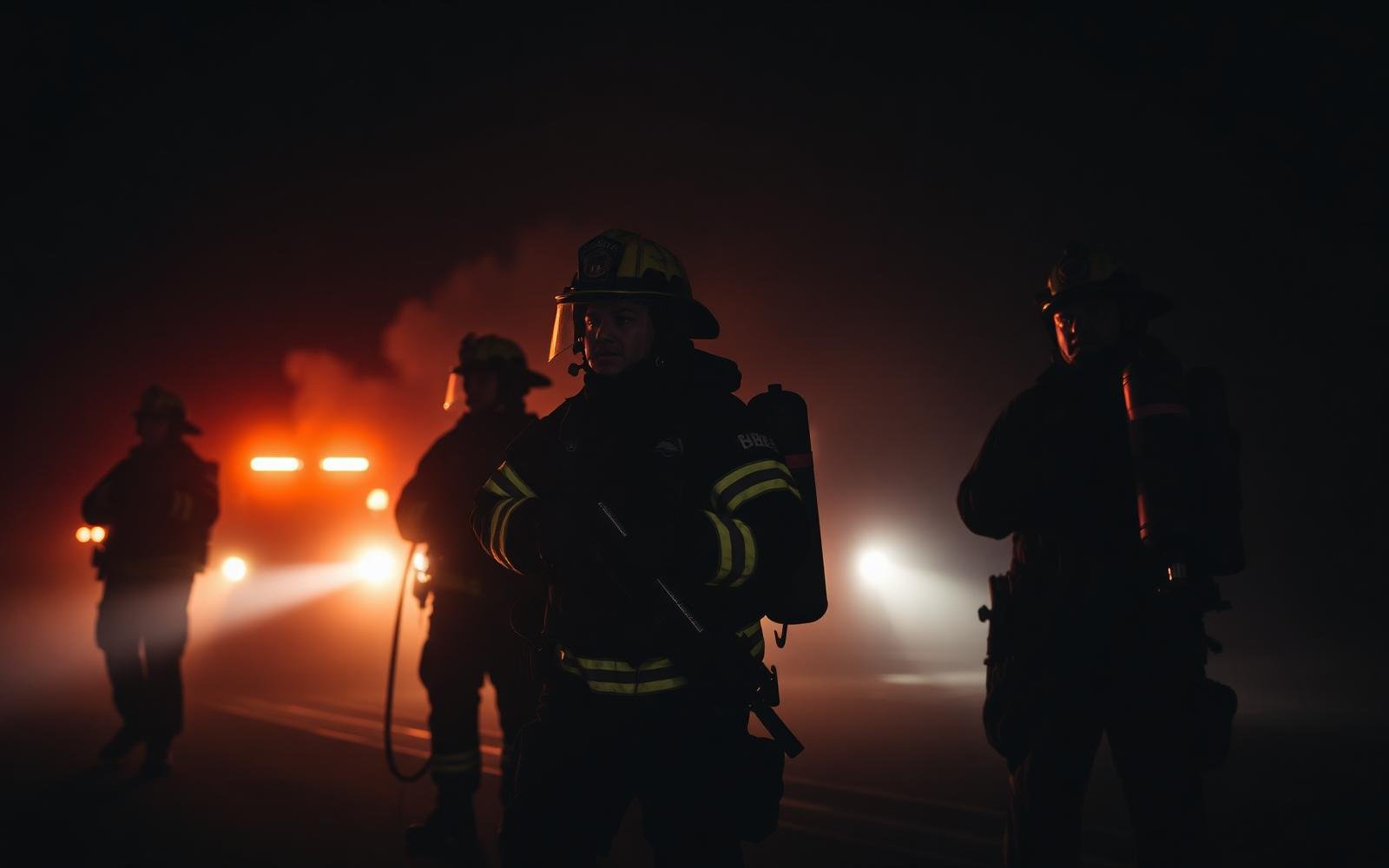
Performance When Resupply Isn't Guaranteed.
Traditional sports nutrition assumes you can plan your fueling.
You know when the workout starts.
You know how long it will last.
You know where your next bottle or gel is coming from.
Operational environments don’t always work that way.
The mission dictates the schedule.
Your metabolism needs to be capable of adapting to changing demands.
The metabolic-performance approach focuses on developing the body’s ability to use multiple fuel sources rather than relying exclusively on continuously supplied carbohydrate. The homepage specifically frames this as a key need for military, fire, and first responders.
You Carry Your Own Reserve.
Your body stores energy in multiple forms.
Glycogen provides readily available carbohydrate energy.
Body fat represents a much larger reserve.
The challenge isn’t whether energy exists.
The challenge is whether you can access it effectively.

Fatigue Changes Performance.
- Focus
- Decision-making.
- Reaction.
- Coordination.
- Fine motor skills.
- Movement quality.
- Power output.
In operational environments, those aren’t minor details.
They’re part of the job.
That’s why metabolic performance needs to be about more than simply having enough calories.
It's about building capacity that can support the whole mission.
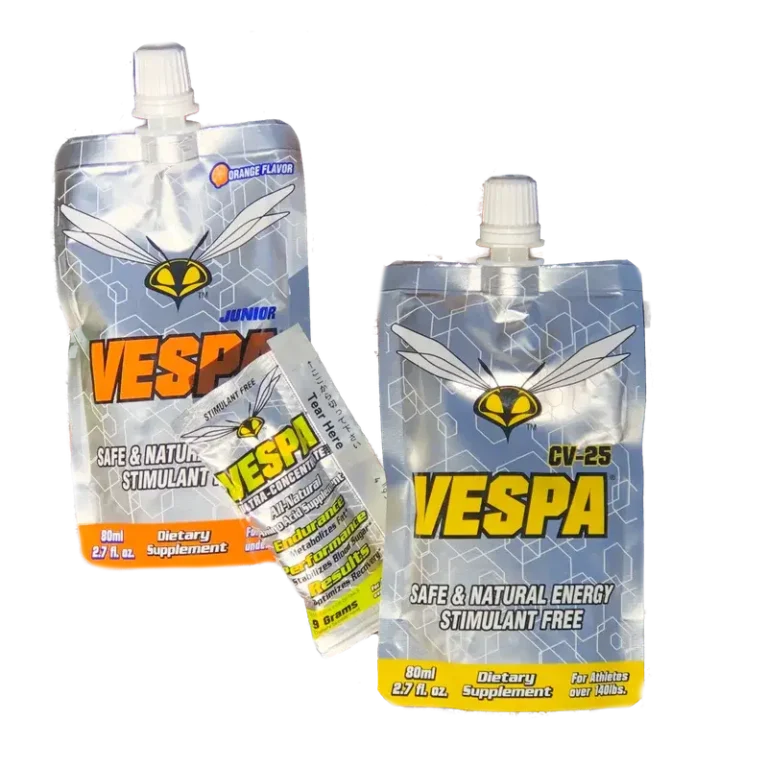
VESPA® For Tactical Performance
When You Need Your Metabolic Engine Ready.
VESPA is positioned as a metabolic catalyst designed to signal the body to mobilize and metabolize fatty acids, supporting glycogen preservation and the use of stored energy.
The philosophy is straightforward:
OFM
Build the internal machinery.
VESPA
Jump-start it.
YOU
Put it to work.
- VESPA CV-25 — The original ready-to-use formulation containing 100 mg of wasp extract peptide. Just shake and consume a full pouch 30 minutes prior to physical activity. Natural ingredients. Low sugar/low calorie. No stimulants.
- VESPA Ultra Concentrate (UC) — Highly concentrated (175 mg of Wasp Extract Peptide) and requiring dilution, VESPA UC is designed for maximum portability and duration when logistics warrant.
- VESPA Junior (JR) — VESPA JR combines 8 grams of carbohydrate from Orange Juice & Honey with 70 mg of wasp extract peptide for a quick acting performance boosting formula perfect for youth team sports and other high level activities.
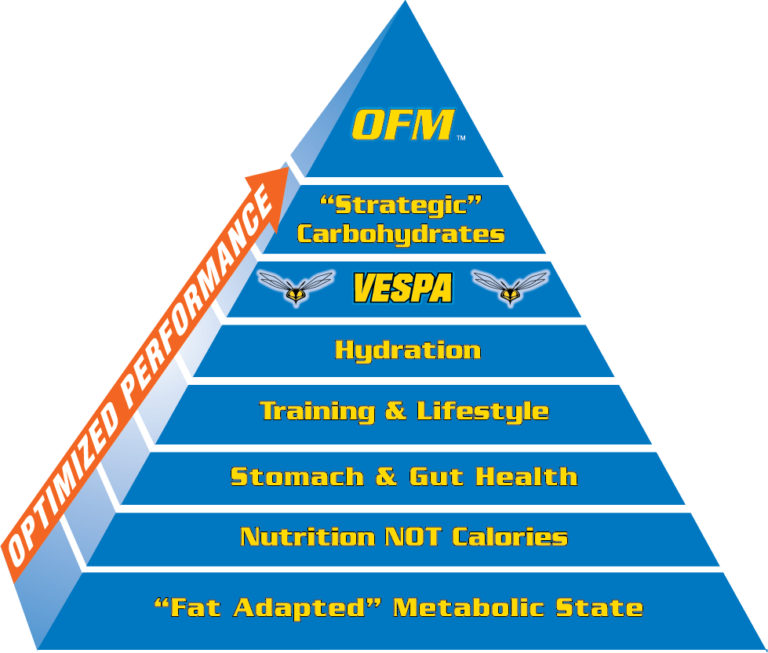
OFM® For Tactical & First Responders
Build The Metabolic Engine
Optimized Fat Metabolism (OFM) is a comprehensive system that periodizes nutrition and training while addressing metabolic, nutritional, and gastrointestinal factors alongside the demands of training and competition.
For tactical and first-response professionals, the objective is to develop a more adaptable metabolic system.
Not simply:
“Eat less carbohydrate.”
Not:
“Never use carbohydrate.”
Instead:
Develop the ability to use the right fuel at the right time.
- OFM Program — Metabolically focused: Reset / Adapt / Integrate
- OFM Coaching & Consulting — Accelerate & Leverage your journey with our 1:1 or Group Coaching Programs or work with an Affiliate Coach (in development)
- AuVentures Wellness Platform — In development